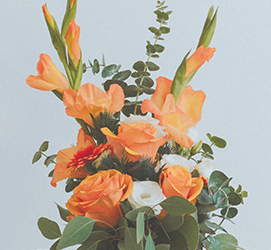
Kilburn council rules for roadside flowers and permits
Posted on 10/10/2026
Kilburn council rules for roadside flowers and permits: a practical guide for local displays
If you are planning roadside flowers in Kilburn, the first question is usually not about the bouquet. It is about permission. Kilburn council rules for roadside flowers and permits can feel a bit murky at first, especially if you are trying to keep a shopfront bright, mark an occasion, or create a memorial display without causing hassle for passers-by. The good news is that the process is usually manageable once you understand what the council is concerned about: safety, pavement access, visibility, and public-space responsibility.
This guide breaks it down in plain English. We will look at when roadside flowers may need permission, what councils typically care about, how to prepare an application, what mistakes cause problems, and how to keep your display looking respectful rather than cluttered. A small arrangement on a pavement can seem harmless, but once it touches public land, the rules change rather quickly. Truth be told, that is where most confusion starts.
Whether you are a florist, a business owner, an event planner, or a resident wanting to place flowers outside a property, this article will help you make sensible decisions and avoid the kind of avoidable back-and-forth that nobody enjoys.
Table of Contents
- Why Kilburn council rules for roadside flowers and permits matters
- How Kilburn council rules for roadside flowers and permits works
- Key benefits and practical advantages
- Who this is for and when it makes sense
- Step-by-step guidance
- Expert tips for better results
- Common mistakes to avoid
- Tools, resources and recommendations
- Law, compliance, standards, or best practice
- Options, methods, or comparison table
- Case study or real-world example
- Practical checklist
- Conclusion
- Frequently asked questions
Why Kilburn council rules for roadside flowers and permits Matters
Roadside flowers are not just decoration. Once a display is placed near a kerb, on a pavement, beside a lamppost, or in another public-facing spot, it can affect how people walk, cycle, drive, and clean the street. That is why councils tend to be cautious. They are thinking about accessibility, sightlines, trip hazards, emergency access, and the simple practical issue of who takes responsibility if something spills, blows over, or gets damaged.
In Kilburn, those concerns matter even more because busy local streets often have narrow pavements, parked cars, bus stops, delivery activity, and regular footfall. A flower display that looks lovely at 9 a.m. can become awkward by lunchtime if it narrows the walkway or blocks a sightline. And yes, it only takes one knocked-over planter to create a little parade of problems.
For businesses, the stakes are slightly different. A neat floral arrangement can improve the look of a storefront and help draw attention, but if it sits on council land without approval, it may be removed. For residents, the issue is often more personal: marking a remembrance, celebrating a wedding, or placing flowers outside a home after a family event. Even then, local authority rules can still apply if public land is involved.
Practical takeaway: if the flowers are entirely on private property, the council may not care much. If any part touches the pavement, verge, road edge, or other public space, assume permission may be needed and check carefully before you put anything out.
How Kilburn council rules for roadside flowers and permits Works
There is no one-size-fits-all answer because councils usually deal with roadside flowers through a mix of public-space policies, licensing or permission processes, and local safety requirements. The exact route depends on what you want to place, where you want to place it, and how long it will stay there.
In practical terms, councils tend to look at a few key questions:
- Does the display sit on public land or fully on private land?
- Will it obstruct pedestrians, wheelchair users, buggies, or cyclists?
- Could it block road visibility or distract traffic?
- Is it temporary or long-term?
- Is it decorative, commemorative, or linked to a business promotion?
- Who will maintain it and remove it if needed?
If the answer to any of those questions raises concern, a permit, licence, or written approval may be needed. Sometimes the council will want a simple location description and photographs. In other cases, it may ask for a plan showing the width of the pavement, the placement of planters or vases, and the length of time the flowers will remain in place.
To be fair, the process is not always dramatic. Quite often it is just about proving that your display will not interfere with the street. But that proof matters. Councils are usually much happier when the person responsible has already thought about safety and clean-up, rather than hoping nobody notices.
If you are arranging flowers for a shopfront or a special occasion, it can also help to look at the practical side of the floral order itself. For example, a florist used to local deliveries, such as a Kilburn florist with local knowledge, is often better placed to suggest arrangements that fit into tight spaces, stay stable, and look good without sprawling across the pavement.
What usually needs permission?
Permission is more likely to be needed when flowers are:
- placed directly on the pavement or roadside verge
- attached to street furniture, railings, or poles
- used as a semi-permanent memorial or tribute
- part of a business display that extends beyond private boundaries
- combined with stands, baskets, signs, or barriers
A small vase on a private windowsill is one thing. A large row of planters along the kerb is another. The boundary between the two is where people often get caught out.
What councils are trying to prevent
Most concerns are surprisingly ordinary:
- people tripping over low planters or loose stems
- mud, water, or petals creating slippery patches
- flowers blocking sightlines for drivers
- displays narrowing the footway
- unauthorised items making the street look untidy
- arguments about who should remove, water, or maintain the flowers
A permit process gives the council a way to assess those issues before they become a problem. It also protects you, because you are less likely to face removal or enforcement if you have written approval in place.
Key Benefits and Practical Advantages
It might feel like a bit of admin for a simple floral arrangement, but the benefits are real. Getting the rules right can save time, money, and hassle later on.
- Less risk of removal: approved displays are less likely to be taken away unexpectedly.
- Better public safety: a properly positioned display is less likely to cause trips or block access.
- Cleaner presentation: councils are more comfortable with arrangements that look intentional and cared for.
- Stronger local image: for a shop or venue, neat roadside flowers can make the frontage feel welcoming rather than cluttered.
- Clear responsibility: if you have a permit or approval, everyone knows who is in charge of maintenance and removal.
There is also a less obvious benefit: confidence. Once you know the arrangement has been considered properly, you stop second-guessing whether it will cause a complaint. That peace of mind matters more than people admit.
If you are using flowers for a celebration or a repeat business display, it may also help to choose blooms that travel and sit well in busy environments. A sturdy, well-arranged order from local flower delivery in Kilburn can be a smarter starting point than something delicate and overcomplicated that will not last a day in the wind.
Who This Is For and When It Makes Sense
This topic is not just for florists. A surprising range of people run into roadside flower questions in Kilburn. Sometimes it is a restaurant trying to brighten its entrance. Sometimes it is a family planning a tribute after a funeral. Sometimes it is a wedding team or event organiser looking for a small exterior display that matches what is happening inside.
You will likely need to think about permits if you are:
- a shop owner placing seasonal flowers outside the business
- a cafe or restaurant using planters or floral baskets near the pavement edge
- a florist setting up a memorial or roadside tribute
- a wedding couple wanting floral decoration near a venue entrance
- a property manager handling front-of-building presentation
- a resident planning a temporary floral display that may extend onto public ground
It also makes sense when the flowers are not the main concern but part of a wider setup. For example, a tribute board, stand, candle, or sign can change the legal and practical picture. A modest arrangement can become a larger street-side installation without anyone really noticing until someone asks awkward questions. That happens more than you would think.
As a rule of thumb, if you are asking yourself, "Will this partly sit on council land?" then that is your cue to slow down and check. Better to be a little cautious at the start than scramble later after a warning notice.
Step-by-Step Guidance
If you want to keep the process sensible and low-stress, use a structured approach. It saves a lot of guesswork.
- Confirm where the flowers will sit. Measure the space and work out whether any part of the display crosses from private property onto public land.
- Decide the purpose. Is it decorative, commemorative, promotional, or event-related? The purpose can affect how the council views it.
- Check for access issues. Leave enough room for pedestrians, mobility aids, prams, and everyday passing traffic.
- Keep the display stable. Use weighted bases, secure containers, and weather-resistant placement where needed.
- Gather basic details. Have photos, approximate dimensions, the intended dates, and a simple explanation of maintenance responsibility.
- Ask the council before placing anything. If a permit or approval is required, do not assume informal permission is enough.
- Prepare for maintenance. Assign someone to water, tidy, and remove wilted stems or debris.
- Keep a record. Save correspondence, approval notes, and any conditions attached to the display.
If you are dealing with a family tribute or memorial, this step-by-step process may feel uncomfortably formal. That is understandable. But a tidy process does not make the gesture any less meaningful. In fact, it often helps preserve it.
A simple decision filter
Ask yourself three questions:
- Could someone trip or brush against it easily?
- Would a wheelchair, buggy, or pram need to divert around it?
- If a council officer looked at it tomorrow morning, would it seem controlled and safe?
If the answer is "maybe not" to any of those, adjust the plan before you go further. Simple as that.
Expert Tips for Better Results
Over the years, one thing becomes clear: the best roadside flower displays are the ones that look calm, purposeful, and easy to live with. They do not shout. They sit well in the street and do their job quietly.
- Keep the footprint modest. Smaller, well-placed arrangements often work better than a large display that becomes a nuisance.
- Choose durable stems and containers. In a breezy London street, a light arrangement can go from lovely to lopsided quickly.
- Use restrained colour if the location is busy. Soft whites, greens, and balanced mixed tones often read more clearly than a crowded palette.
- Avoid over-height elements. Tall stems can block sightlines or catch wind. A lower profile is usually safer.
- Think about the full day, not just the moment of placement. Morning sun, afternoon footfall, and evening weather all affect how a display holds up.
- Communicate with neighbours where sensible. A quick word often prevents complaints later. People like being kept in the loop.
One small but practical tip: if your display will be photographed, keep the backdrop in mind. A tidy arrangement near a cluttered doorway or overflowing bin can undo the effect. We have all seen that kind of thing, and, well, it's not the look anyone wants.
If you need flowers that can handle a display setting, consider options built for steadier presentation. For example, a selection from flowers in a vase may be more stable than a loose hand-tied style, especially where foot traffic is heavy or the placement is exposed.
Common Mistakes to Avoid
Most issues with roadside flowers are not caused by bad intent. They come from small oversights that snowball.
- Assuming private frontage means private land. The pavement edge is often public land, even if it sits directly outside your property.
- Forgetting about width. What feels narrow to you may still be too wide for a crowded pavement.
- Using unstable containers. Light pots and flimsy stands move, tip, or spill more easily than expected.
- Leaving the display unattended for too long. Wilted flowers, fallen petals, and water spillages can quickly make a nice idea look neglected.
- Skipping approval because it is "only temporary." Temporary does not always mean exempt.
- Mixing flowers with signs or barriers without checking first. Extra items can change the permit requirement.
Another common problem is overconfidence. People sometimes think, "It's just flowers, who would mind?" Yet on a narrow street, even a beautiful arrangement can cause a minor bottleneck. The flowers are not the issue; the location is.
If you are ordering for a special moment and need the display to stay tidy, it can be worth using a florist who understands local delivery conditions and set-up constraints. A product like florist choice can be a practical option when you want the arrangement to suit the setting rather than forcing a pre-set design into a tight space.
Tools, Resources and Recommendations
You do not need fancy equipment, but a few simple tools make the job much easier and safer.
- Measuring tape: useful for checking footway width and working out how much space the display really takes.
- Phone camera: take photos before installation so you can show the council what you planned.
- Stable containers or weighted bases: especially useful for outdoor placement.
- Waterproof liners: help reduce leaks and staining on hard surfaces.
- Garden scissors or snips: handy for trimming stems and keeping the arrangement neat.
- Basic maintenance kit: wipes, cloths, spare ties, and a small rubbish bag can save you from messy surprises.
For floral planning, it also helps to think in categories. Some flowers are better for short-lived display, while others hold shape and colour more reliably. Roses, carnations, chrysanthemums, alstroemeria, and mixed seasonal flowers often work well in street-facing settings because they can be arranged compactly and still look full. If you need something expressive but durable, that balance matters.
When you are deciding what to send or place, browsing a local range can help you match the flower style to the purpose. Pages such as birthday flowers in Kilburn, funeral flowers, or wedding flowers can give you a sense of how different tones and formats work for different occasions.
Law, Compliance, Standards, or Best Practice
Without inventing specific local rules, the safest general principle is this: anything placed on public land may need permission, and anything that affects access, safety, or visibility deserves extra care. In the UK, councils commonly focus on public liability, obstruction, highway safety, and the management of street furniture or temporary displays. That means you should treat roadside flowers as a public-space matter, not merely a decorative one.
Best practice usually includes the following:
- get written approval where required
- avoid obstructing the footway or carriageway
- do not block visibility for drivers or cyclists
- keep the display secure in wind or rain
- maintain cleanliness around the display
- remove the flowers promptly when the permit ends or the event passes
If you are arranging flowers in connection with a commercial premises, you should also think about general responsibility for keeping the frontage safe and tidy. A council officer or member of the public is more likely to be forgiving when the display is obviously maintained and carefully positioned. That really is half the battle.
Best-practice note: if the council gives you conditions, follow them exactly. Even small deviations, like moving the arrangement a metre further into the pavement, can matter.
Options, Methods, or Comparison Table
There are a few different ways to approach roadside flowers, and the right one depends on the setting. The comparison below is a simple way to think about it.
| Option | Typical use | Permission need | Practical note |
|---|---|---|---|
| Private-frontage flowers | Display stays fully on private property | Usually lower risk | Still check boundaries carefully |
| Pavement-edge arrangement | Shopfront, tribute, or event display near the street | Often likely | Needs access and safety review |
| Temporary memorial display | Short-term tribute or remembrance flowers | May need approval | Should be respectful and easy to remove |
| Freestanding planter or basket | Decorative frontage for business or venue | Depends on placement | Weight, width, and stability matter |
| Large floral installation | Event entrance, ceremony, or promotional feature | More likely | Usually needs prior discussion and a plan |
If you are undecided, think about what would happen if the display had to be moved quickly. Could it be lifted easily? Would it leave marks? Would it block the doorway if shifted? These are the questions that separate a smooth display from a mildly chaotic one. Nobody wants the mildly chaotic one.
Case Study or Real-World Example
Imagine a small Kilburn shop preparing for a weekend launch. The owner wants a fresh floral display outside the entrance: a pair of low planters with seasonal blooms, one near each side of the doorway. It sounds simple. The pavement is narrow, though, and there is a lot of local foot traffic by late morning.
Instead of placing the planters first and hoping for the best, the owner measures the frontage, checks whether there is enough room for two people to pass comfortably, and decides to keep the arrangement inside the property line. The florist prepares compact displays with sturdy stems and weighted containers. The result looks polished, the entrance feels welcoming, and there is no awkward question about whether the council might object.
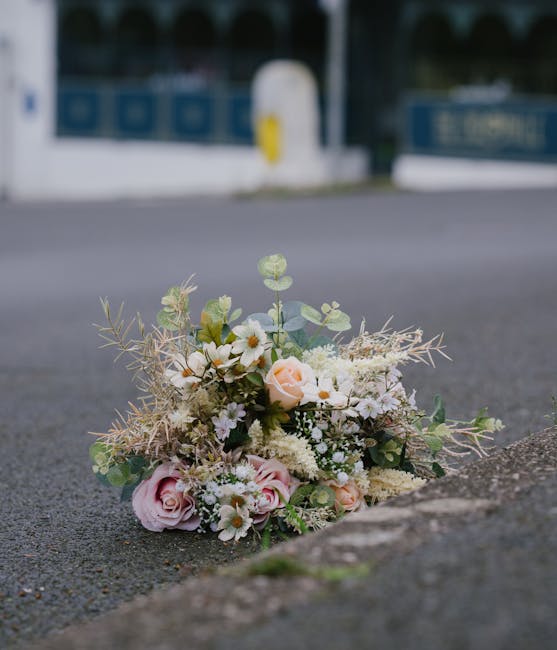
Now compare that with a different scenario. A family places a larger memorial arrangement near the curb after a significant loss, intending it to stay for several weeks. It is heartfelt, of course. But if it drifts onto a walkway or starts shedding petals into the road, it can create a practical issue for others. In that case, a more contained tribute, placed with permission and monitored regularly, is far more respectful in the long run.
The common thread is simple: the better the planning, the less the display has to "fight" the environment. And that is true whether the setting is a shop, a ceremony, or a quiet memorial.
Practical Checklist
Use this checklist before you place roadside flowers in Kilburn:
- Have I confirmed whether the display touches public land?
- Do I know if permission or a permit is needed?
- Will the arrangement leave enough room for pedestrians and mobility access?
- Is the display stable in wind or light rain?
- Have I taken photos and measurements?
- Do I know who is responsible for watering and maintenance?
- Will the flowers stay tidy for the full time they are on display?
- Can the display be removed quickly if requested?
- Have I kept any council approval or written guidance?
- Does the floral style suit the location, rather than overwhelm it?
If you can tick all of those off, you are in a much better place. Not perfect, just prepared. That is usually enough.
Conclusion
Kilburn council rules for roadside flowers and permits are really about balance: making the street look cared for without compromising safety, access, or public order. Once you understand that balance, the whole thing becomes a lot less intimidating. Check the boundary, think about the footway, keep the design modest, and get permission if there is any doubt. Those four habits prevent most problems before they start.
For businesses, the right floral display can lift a frontage and make people slow down for a second. For families, it can preserve a meaningful tribute without causing conflict. For event organisers, it can add warmth and style to the street outside the venue. Done well, roadside flowers feel natural, not forced.
Get a free quote today and see how much you can save.
And if you are still weighing up what kind of arrangement makes the most sense, start small, keep it tidy, and trust your eye. The best displays do not shout. They simply belong there.
Frequently Asked Questions
Do I always need a permit for roadside flowers in Kilburn?
Not always. If the flowers stay fully on private property, a permit may not be needed. If any part is on public pavement, roadside land, or attached to street furniture, permission is more likely to be required. Because the line can be easy to miss, it is safer to check before placing anything outside.
Can I put flowers outside my shop without council approval?
Only if they remain entirely within your property boundary and do not create a safety or access issue. As soon as the display crosses onto public land, approval may be needed. Shopfront displays look simple, but boundaries can be trickier than they appear at street level.
What happens if I place roadside flowers without permission?
The display may be removed, and you could be asked to change or stop the arrangement. In some cases, the council may issue a warning or request that you apply properly. It is better to sort the permission first than deal with the consequences later.
How long can roadside flowers stay up?
That depends on the type of approval, the location, and the council's conditions. Temporary displays are usually easier to manage than long-term installations, but even temporary arrangements may still need clear dates and maintenance plans.
Are memorial flowers treated differently from decorative flowers?
They can be. Councils often understand the sensitivity of memorial displays, but public safety and access still matter. A respectful arrangement can still need approval if it uses public land or affects the pavement.
What kind of flowers work best for roadside displays?
Compact, sturdy flowers and stable containers are usually best. Mixed blooms, roses, carnations, chrysanthemums, and alstroemeria often hold up well, especially when arranged neatly. The goal is a display that looks good without spreading across the pavement.
Do I need to measure the pavement before I apply?
Yes, that is a very good idea. Measuring the available space helps you show that the display will not obstruct access. A simple photo with measurements can make approval much easier to discuss.
Can I attach flowers to railings or lampposts?
Possibly, but that is more likely to need permission because it involves public fixtures. Attached displays can create maintenance and safety concerns, so councils usually want more detail before agreeing.
Is a temporary event display treated the same as a permanent one?
No. Temporary displays may be easier to approve, but they still need to be safe and well managed. A one-day floral feature for a wedding or opening event is not the same as a standing roadside installation, but both should be checked properly.
What should I include when asking about permission?
Include the exact location, the size of the display, the dates it will be there, whether it sits on public or private land, and who will maintain it. Photos help too. The clearer you are, the quicker the response is likely to be.
Can a florist help with the permit process?
Yes, a local florist can often help by suggesting a layout that is safer, smaller, and easier to manage. They cannot replace council approval, but they can make the practical side much easier. That saves time and usually results in a better-looking display as well.
What is the safest approach if I am unsure?
Keep the flowers on private land, choose a compact design, and ask the council before placing anything that may touch the pavement or street edge. If you are unsure, do not guess. A quick check now is far better than a removal notice later.